Tsegi Canyon Grazing Management Plan
Tsegi Canyon, AZ
Services Provided
Grazing management planning, ecological restoration, range management, riparian restoration, erosion control, wildlife-friendly fencing, cultural and environmental permitting, habitat restoration, native vegetation establishment, and stakeholder coordination.
Collaborators
Bureau of Indian Affairs (BIA) – Western Navajo Agency, Navajo Nation Department of Agriculture, National Park Service, USDA Natural Resources Conservation Service (NRCS), Walton Family Foundation, local Tsegi Canyon grazing permit holders, Fred Phillips Consulting
Sustainable Grazing Management and Riparian Restoration in Tsegi Canyon
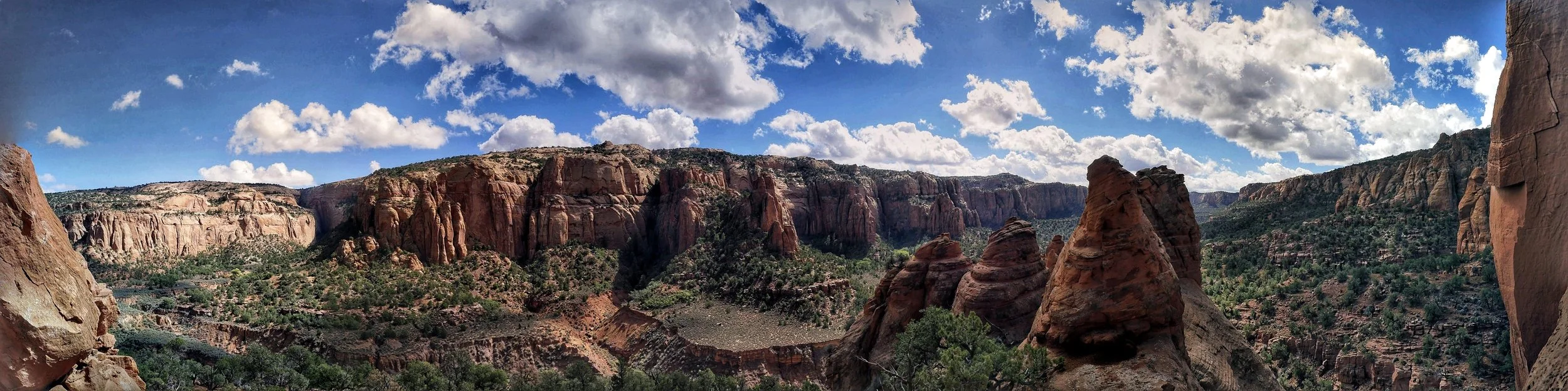
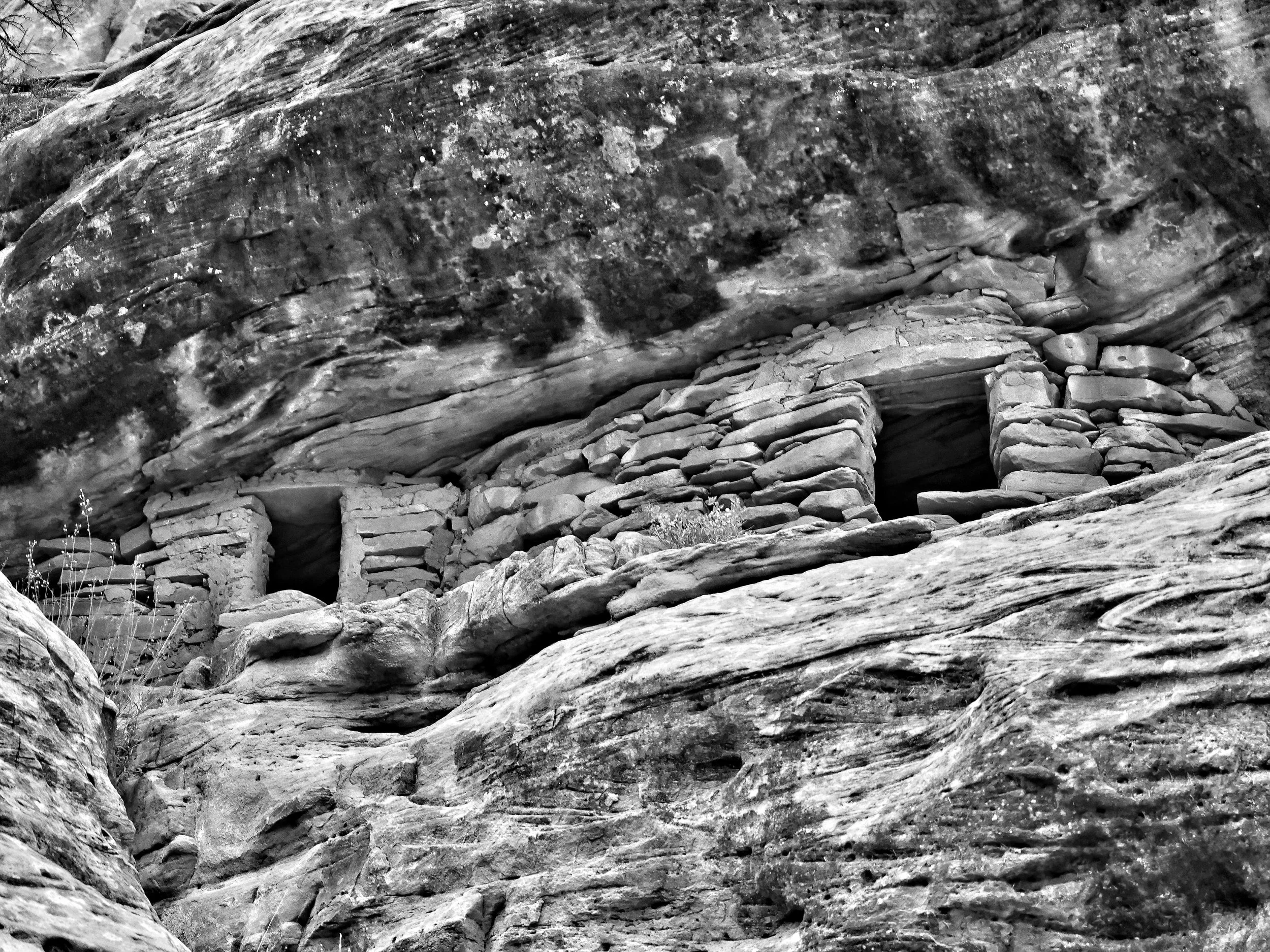
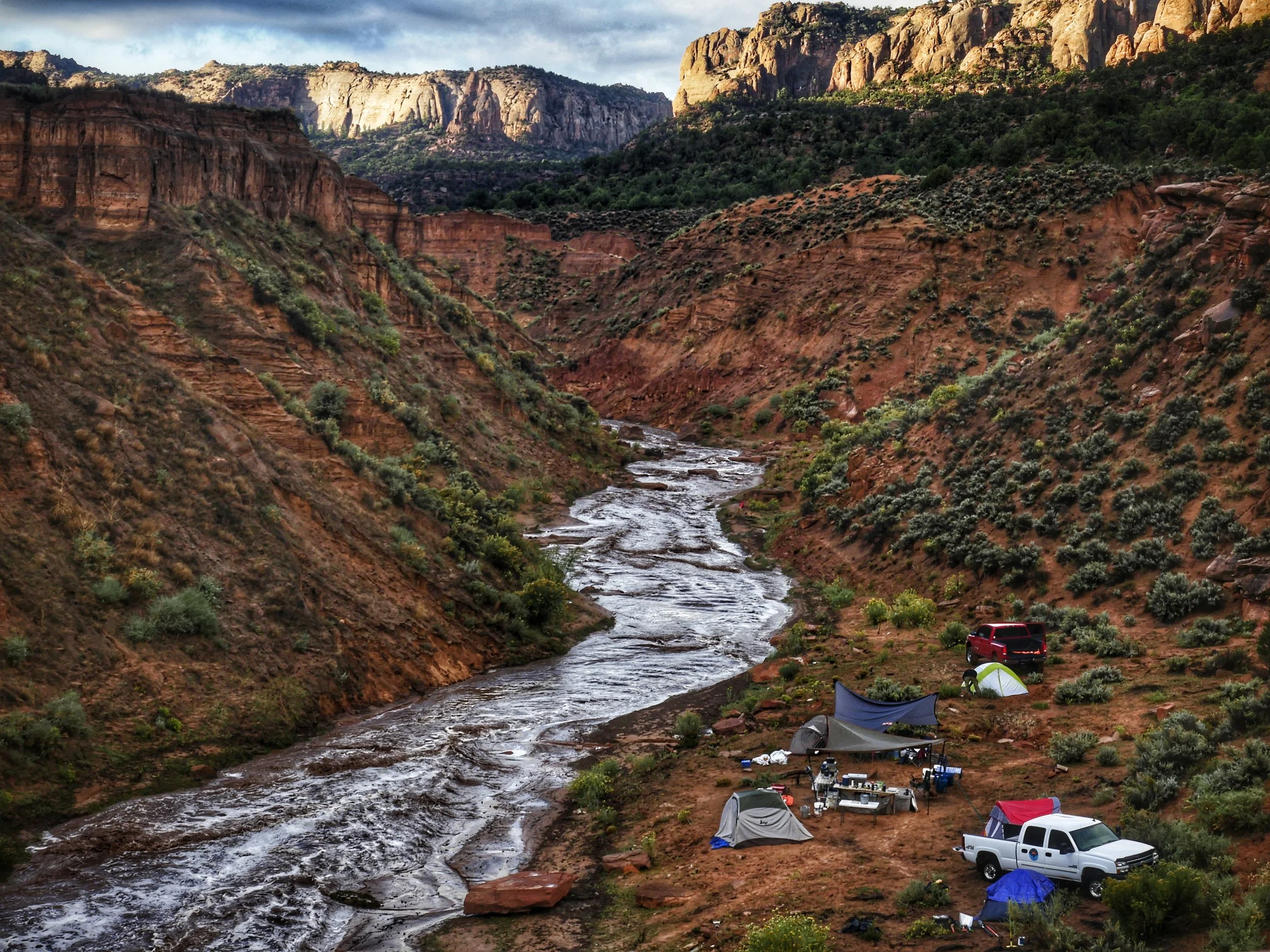
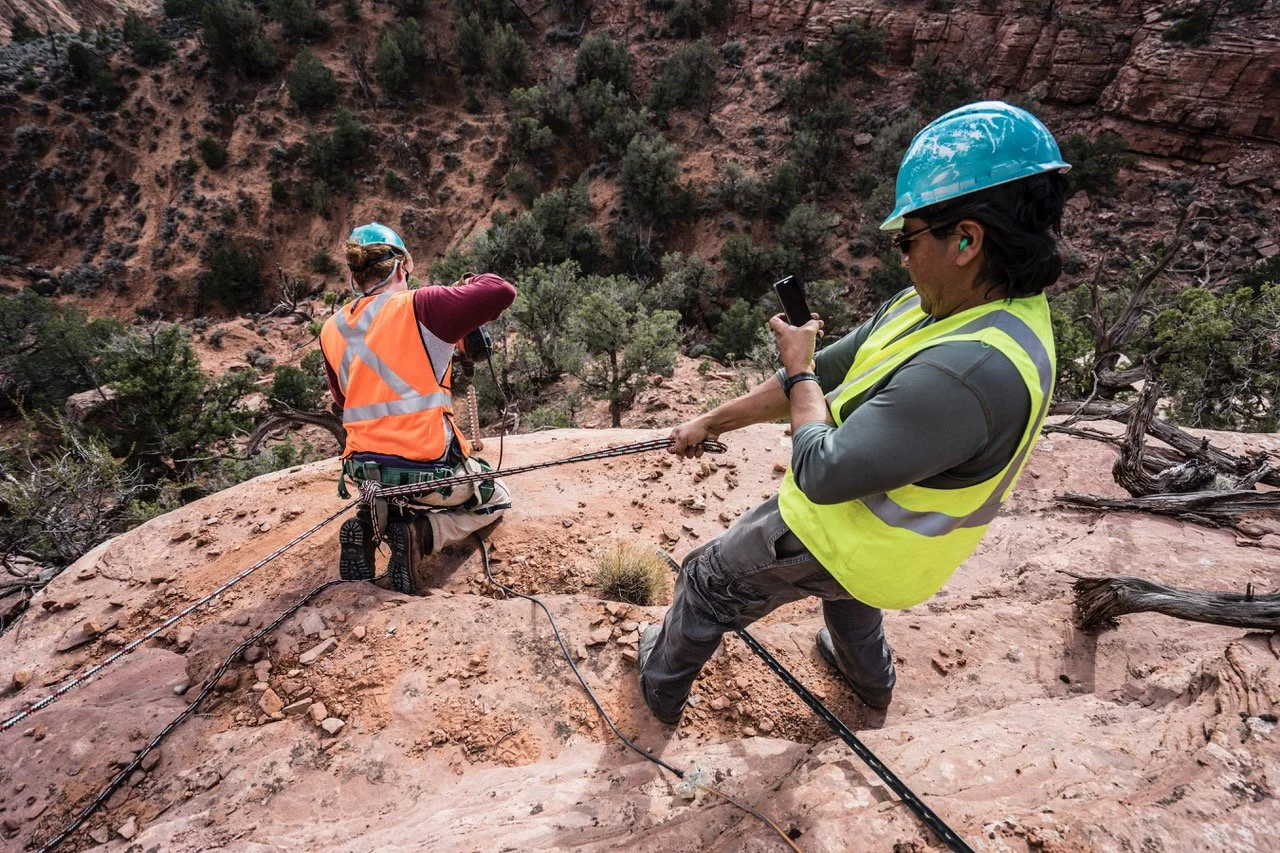
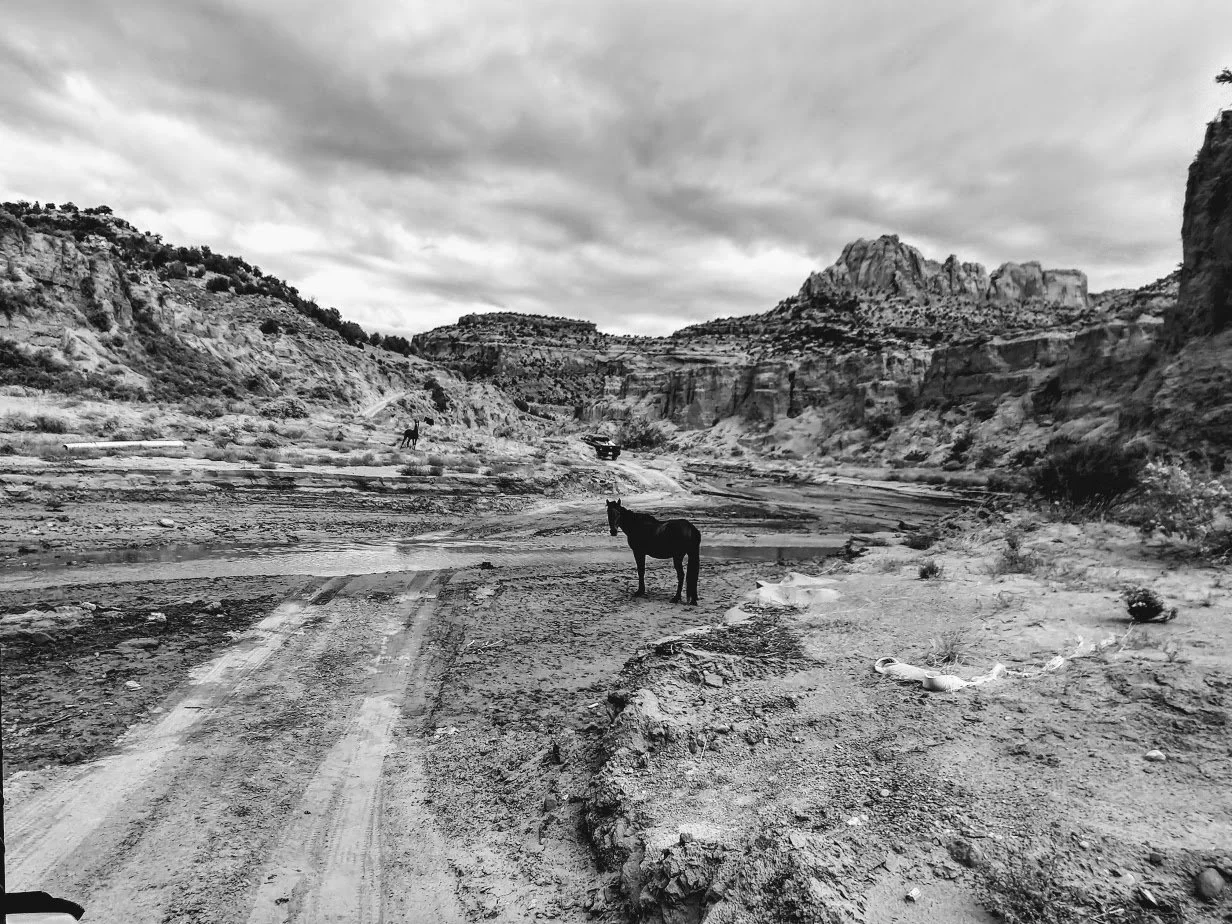
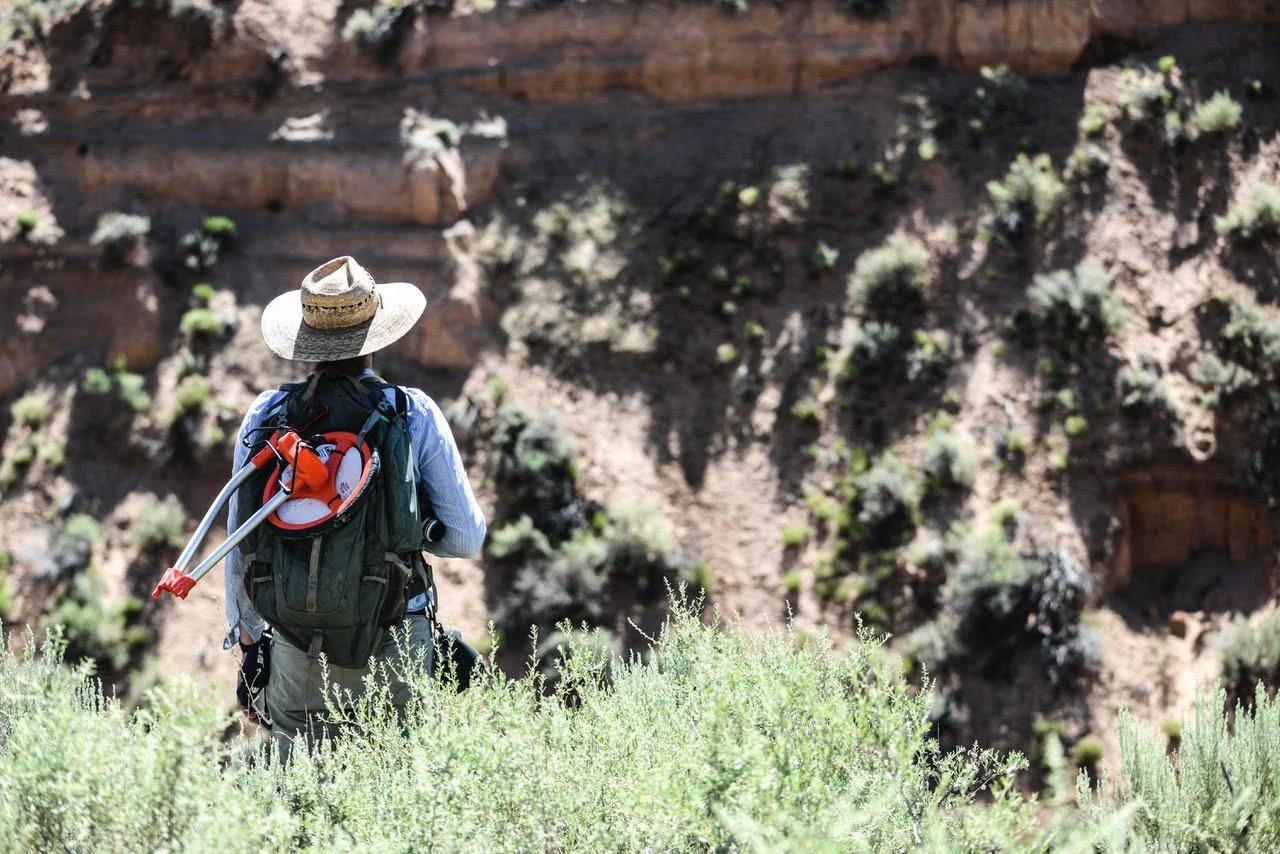
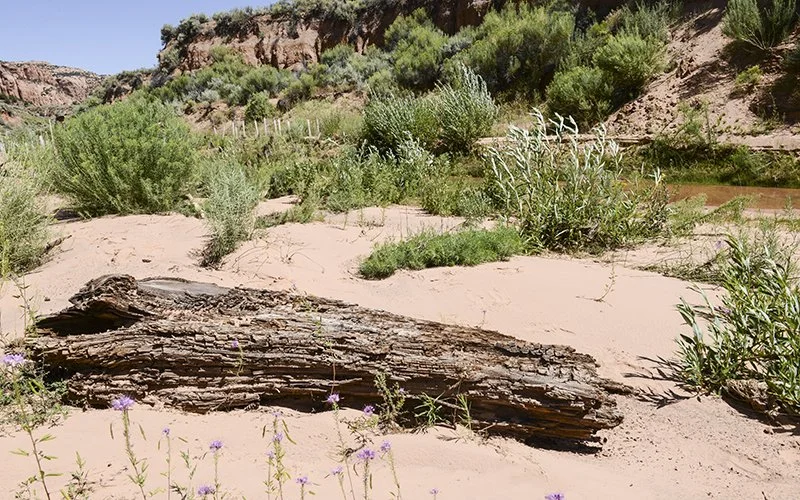
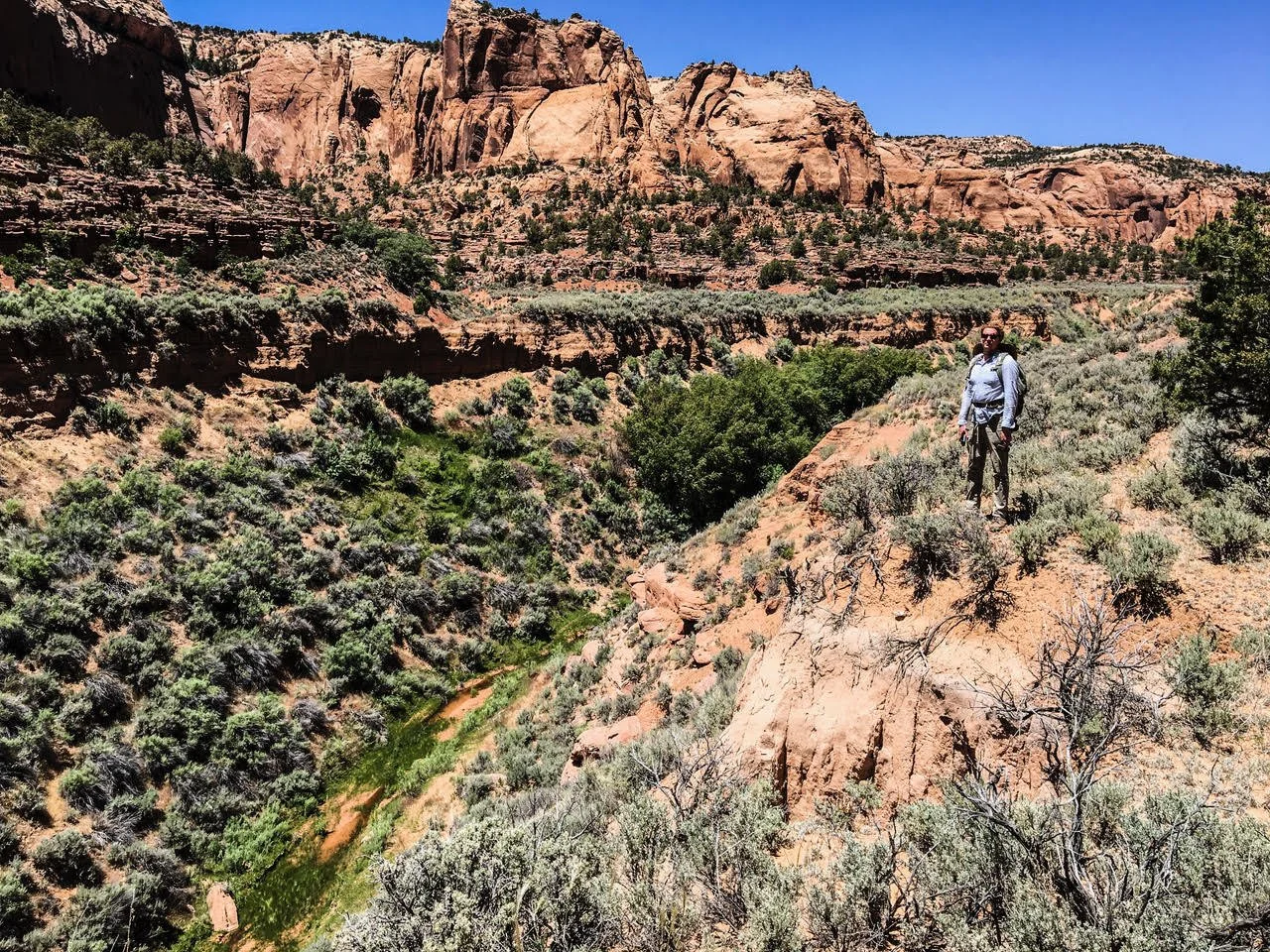
The Tsegi Canyon Grazing Management Plan was developed to address more than a century of land degradation caused by overgrazing within the Navajo Nation. Located near Navajo National Monument in northern Arizona, Tsegi Canyon contains culturally significant archaeological sites, including the Betatkin and Keet Seel cliff dwellings, as well as rare hanging garden springs and diverse native plant and animal communities. The canyon's ecological condition had been severely impacted by livestock grazing, resulting in erosion, degraded agricultural fields, reduced vegetation, and the spread of noxious weeds.
Completed in 2015, the plan established sustainable grazing strategies based on the land's carrying capacity and identified opportunities for riparian and range restoration. The planning process brought together the Bureau of Indian Affairs, Navajo Nation, National Park Service, USDA Natural Resources Conservation Service, grazing permit holders, and conservation partners.
At the time, 14 permit holders were authorized to graze more than 850 sheep, while the land was estimated to support only 36 sheep units. Four pilot restoration projects were identified to defer livestock, protect agricultural fields, stabilize eroding stream banks, and restore springs.
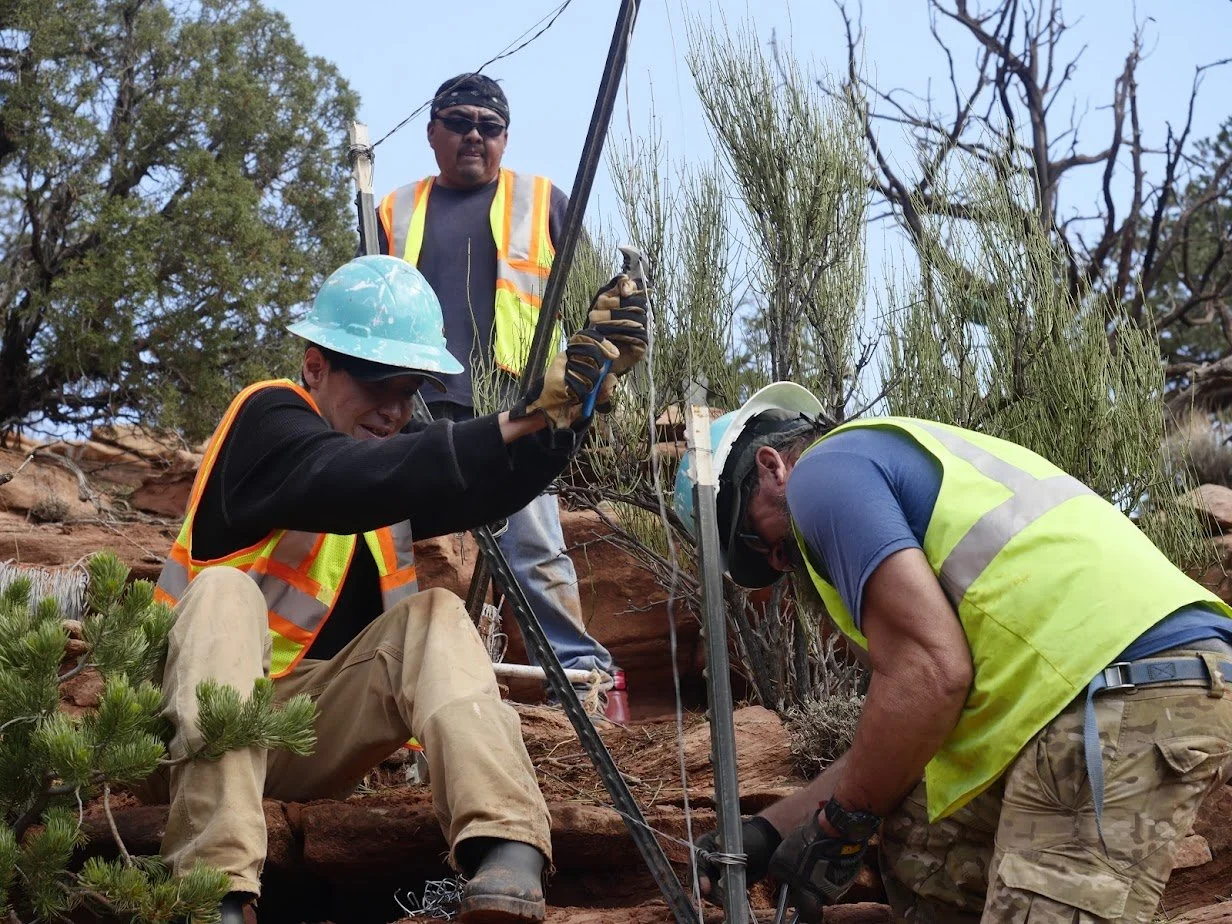
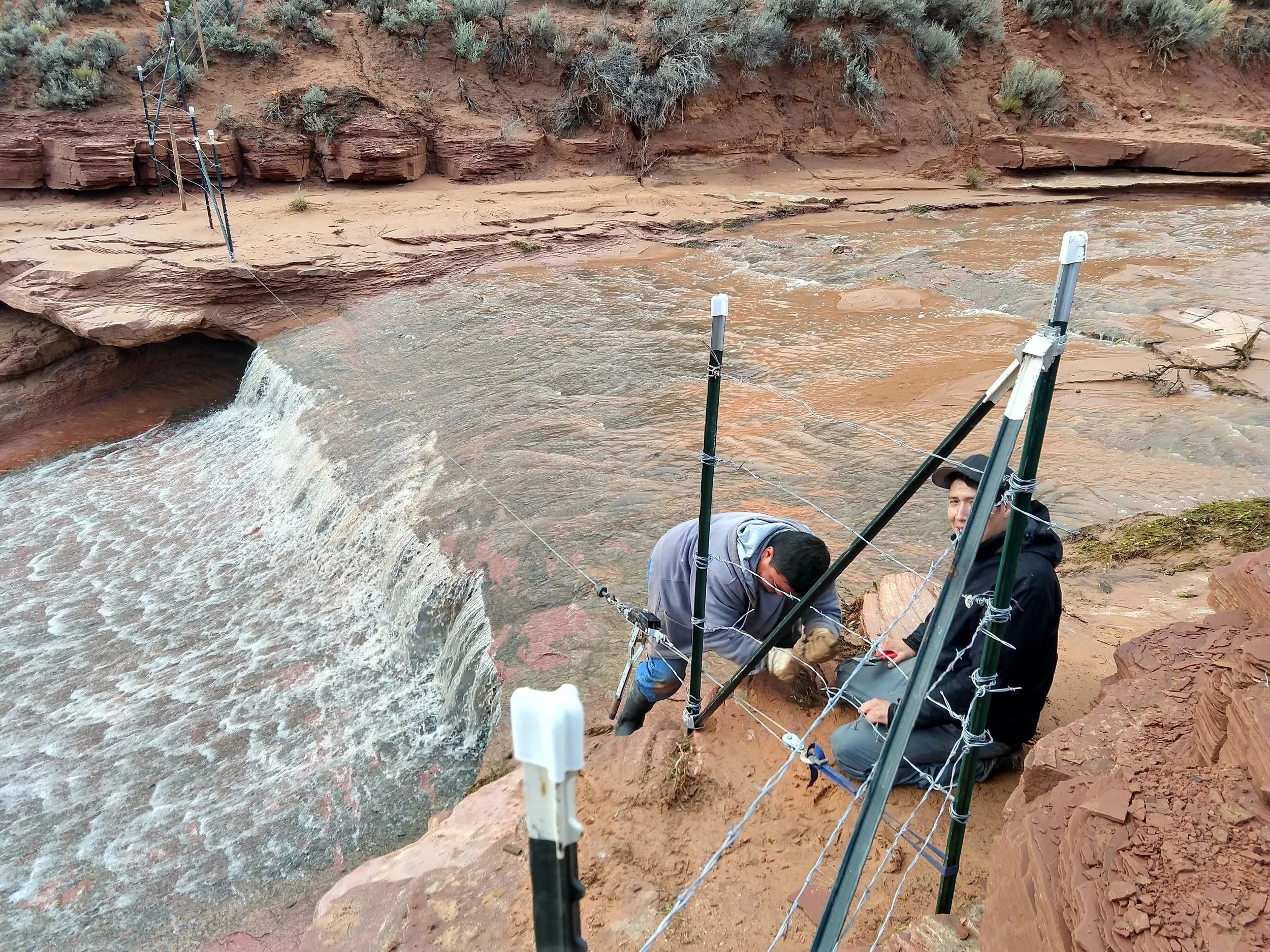
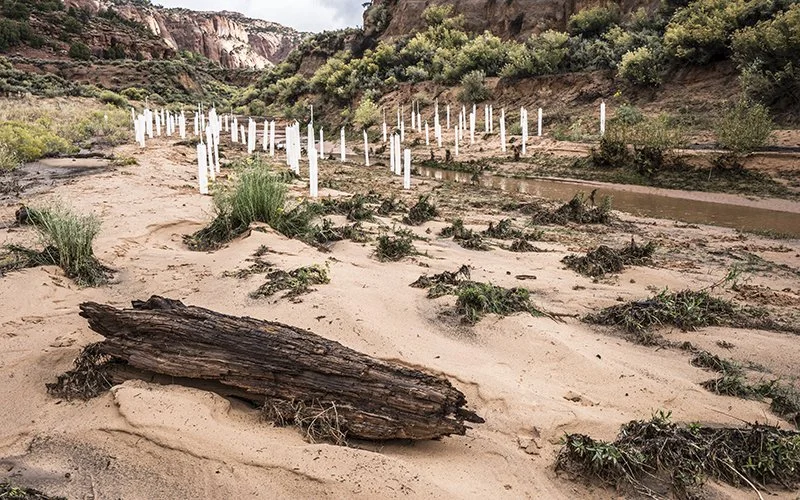
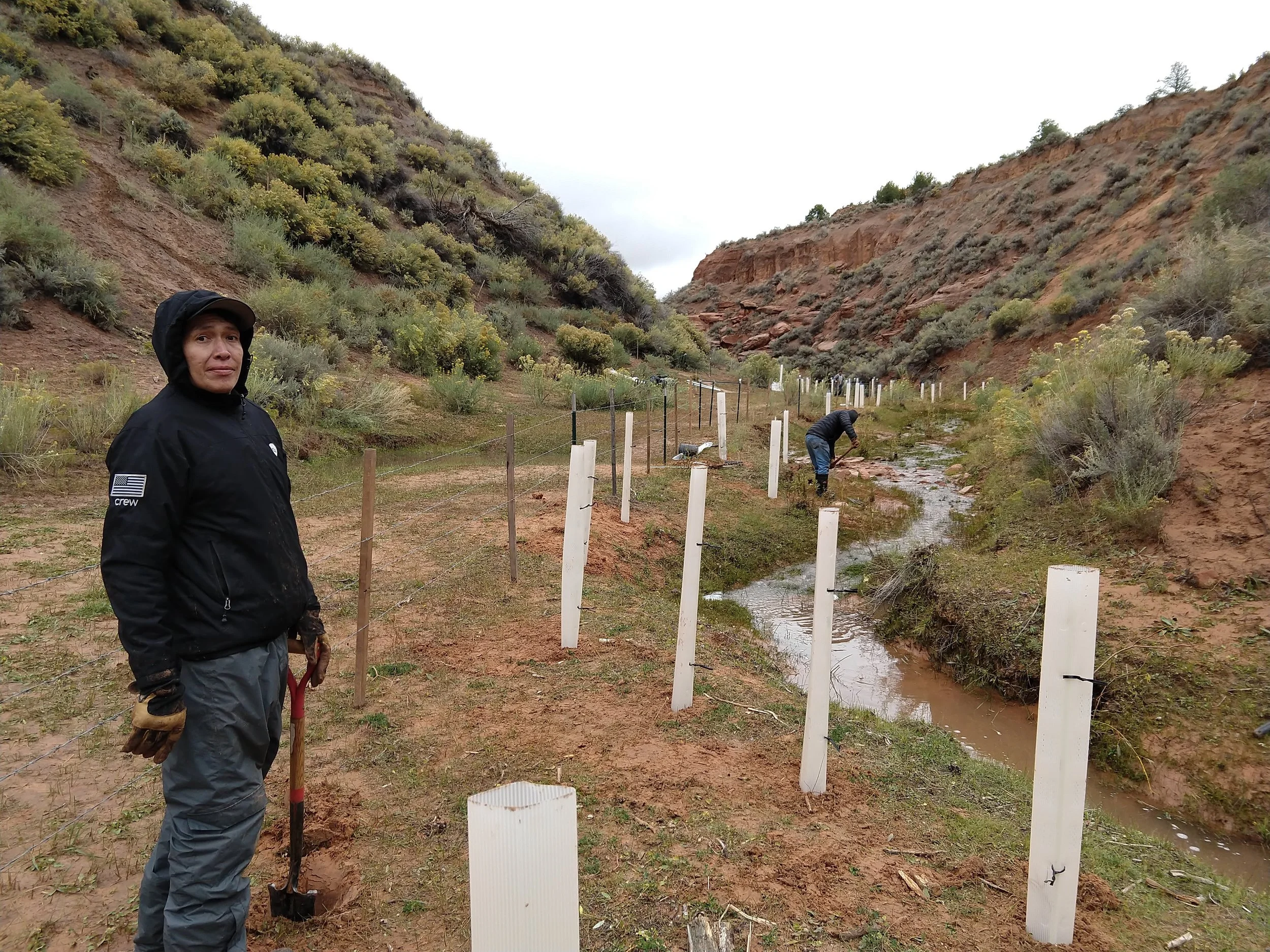
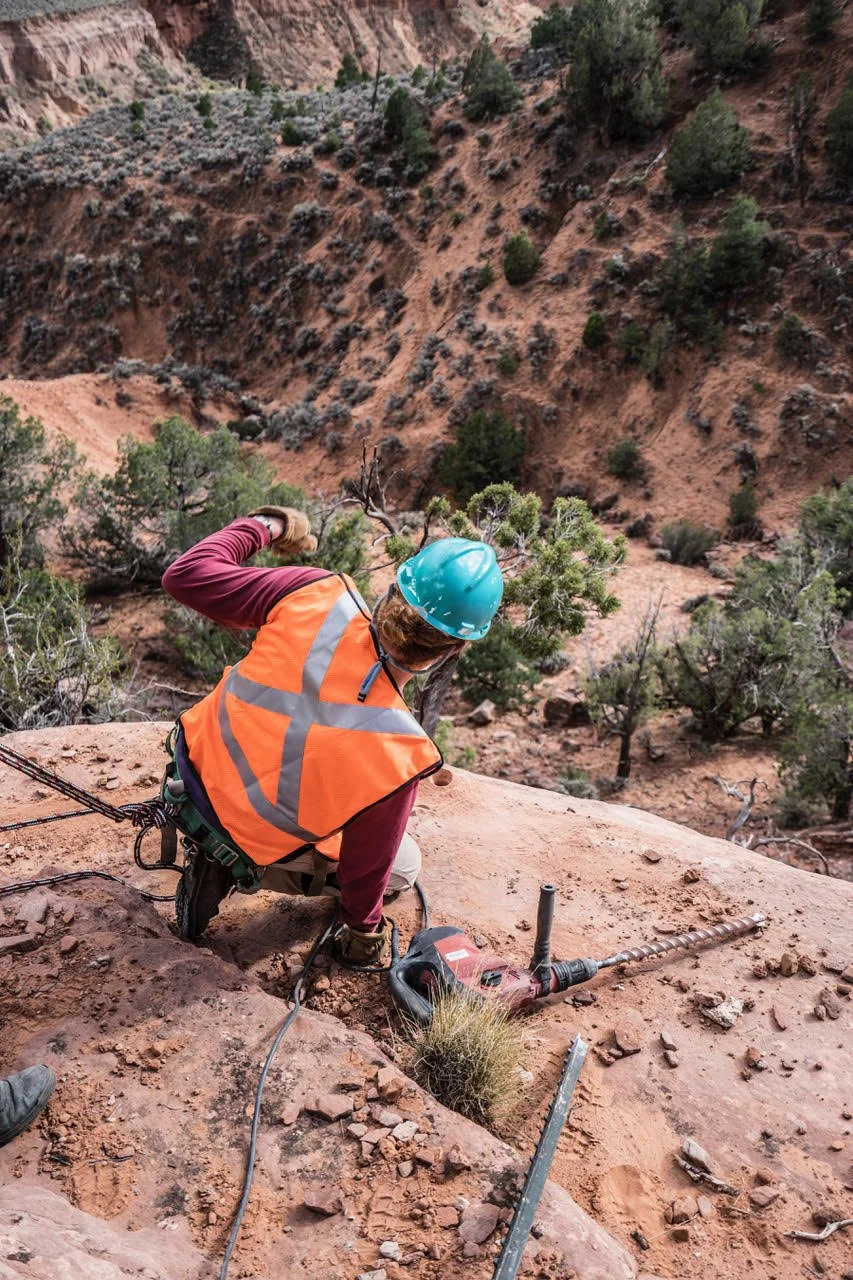
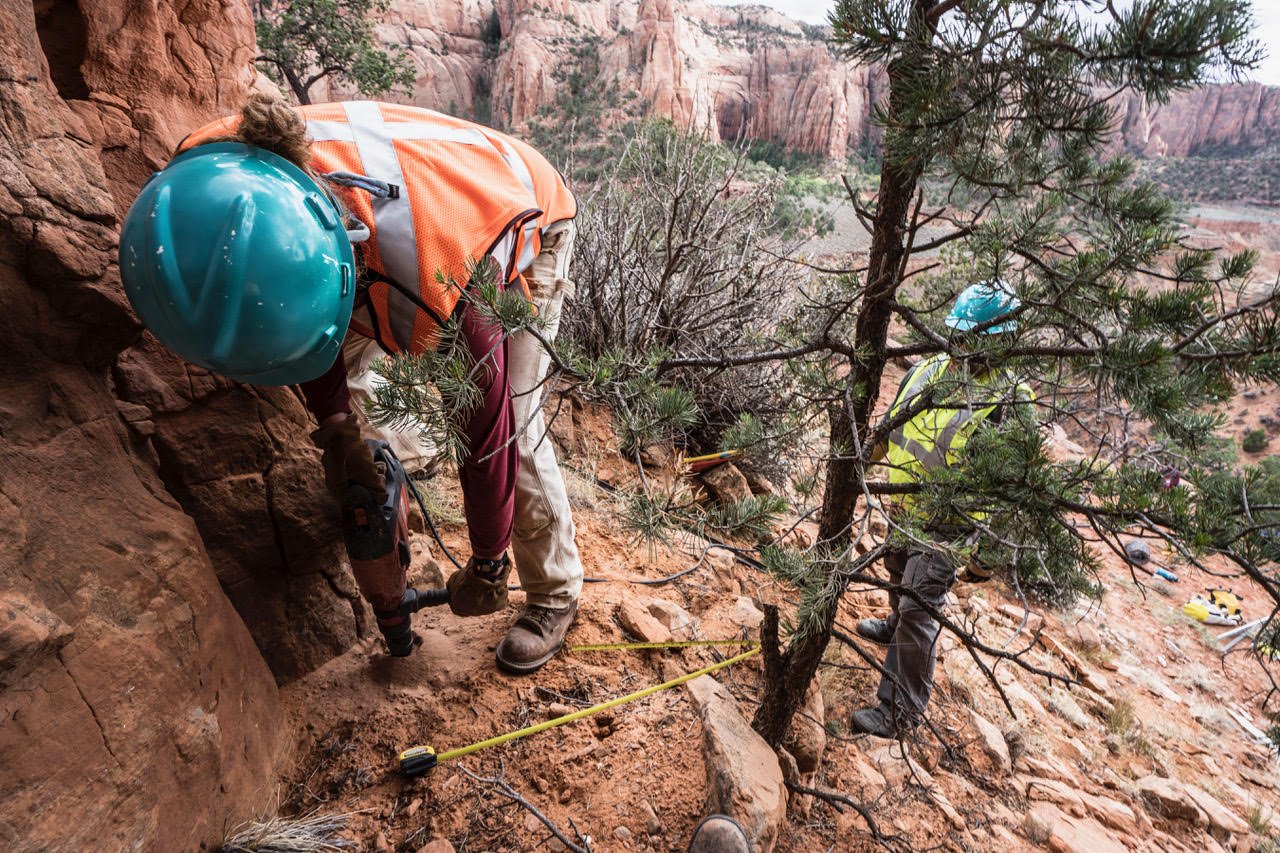
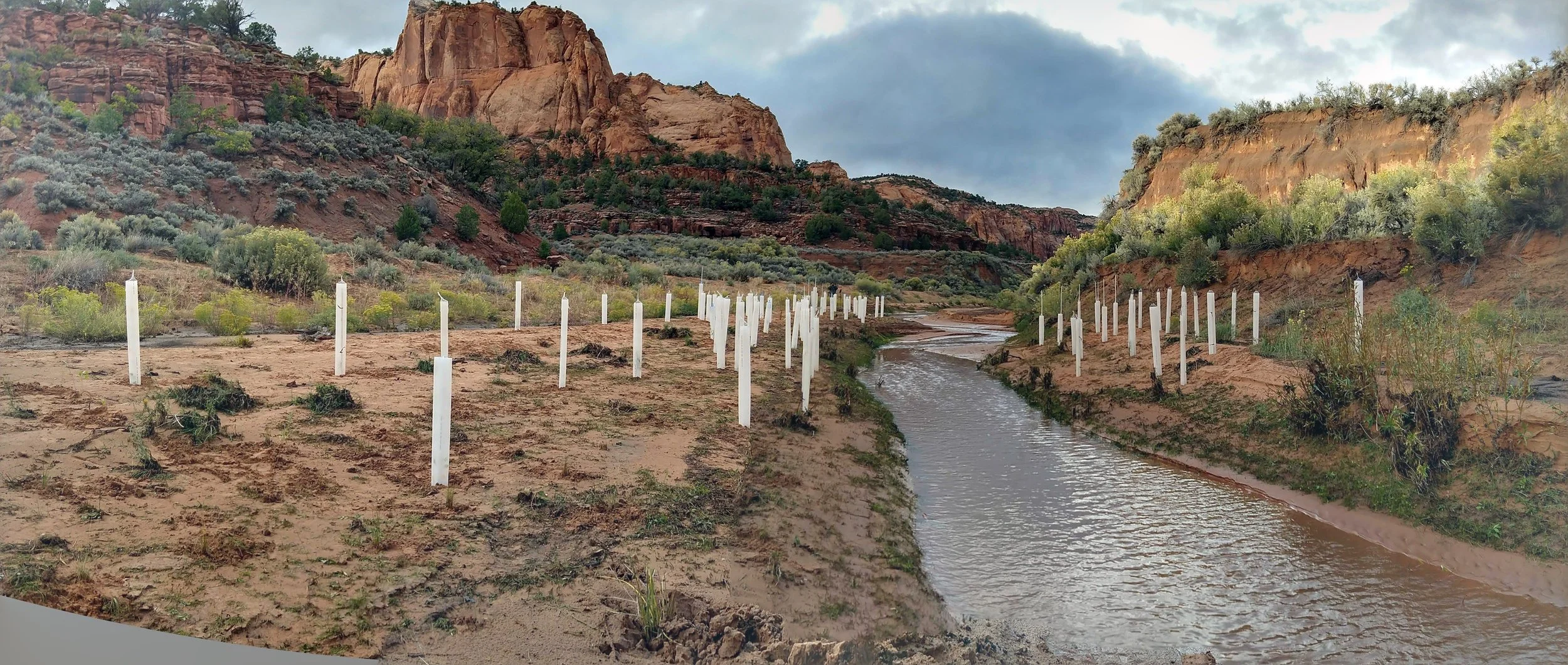
The first implementation project established a wildlife-friendly fence in Keet Seel Canyon to defer livestock from more than 700 acres. Additional restoration efforts included planting native grass plugs, cottonwood and willow poles, and brittlebush seeds to stabilize soils and re-establish native riparian vegetation in Betatakin Canyon. The project demonstrates how collaborative grazing management can protect cultural resources, improve water and soil conditions, restore native habitat, and create a foundation for sustainable rangeland management across the Navajo Nation.